Blue jeans are a timeless staple in the modern fashion world. We see them everywhere, from the school yard to the red carpet. But, these lightweight yet durable garments didn’t always have such a prominent place in the fashion industry. We owe the rise of denim in the fashion world to a few pioneers who made it their mission to turn the material into the fashion staple we’ve come to know and love. Let’s take a look at the denim trailblazers: the influential figures in the history of denim fashion.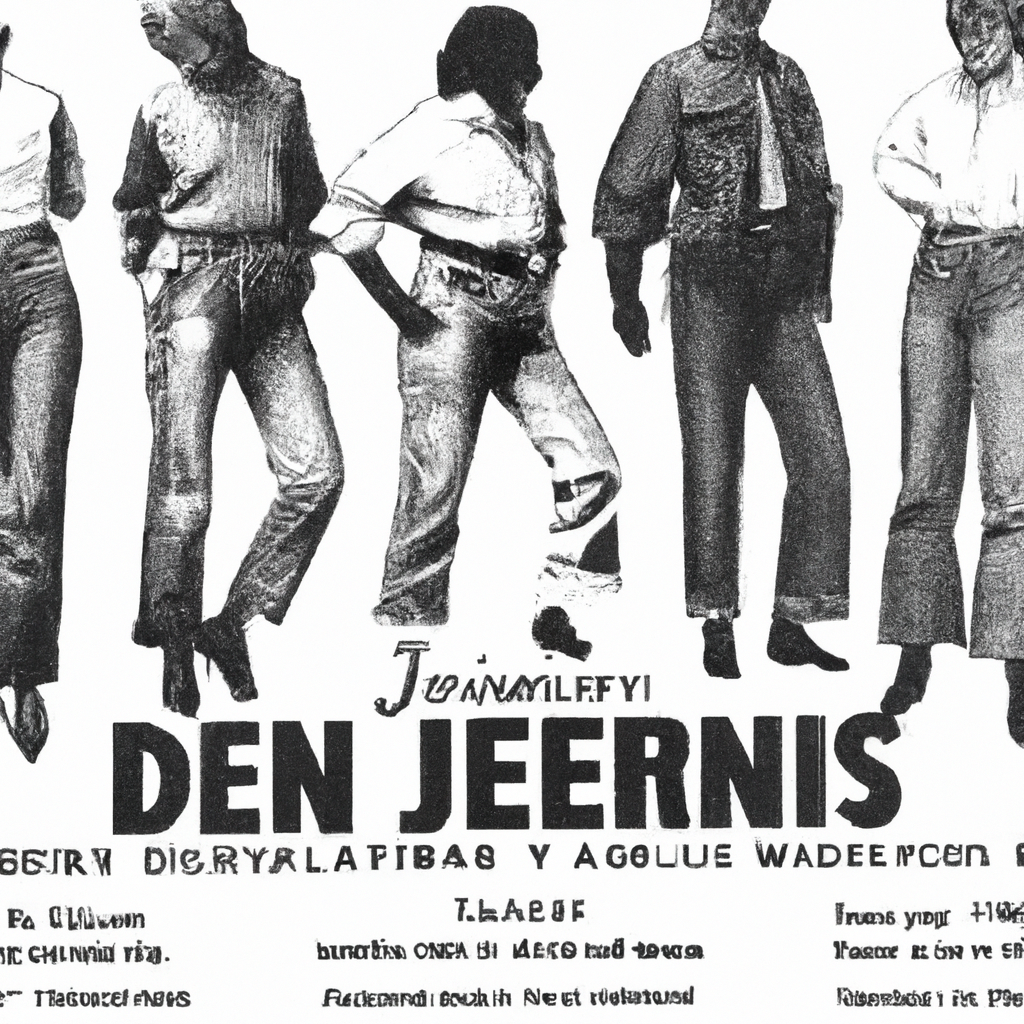
1. Pioneers of Denim: Examining the Early Trailblazers
Levi Strauss is widely considered one of the fathers of denim. He was a Bavarian immigrant to California who started working as a dry goods merchant in 1853. He sold clothing to miners and other gold rush pioneers, and soon realized that the traditional fabric used to make work pants was not strong enough. He then began to supply them with tough fabrics tanned in local tanneries. It was not until 1873 that he and tailor Jacob Davies created the riveted waist overalls, becoming the first ever jeans. They were an instant hit with the miners and Strauss went on to found the Levi Strauss & Co. to manufacture them.
Jacob W. Davis was the tailor who joined Strauss in first producing the riveted waist overalls. Like Strauss, Davis was an early pioneer of denim, recognizing the need of a durable work apparel and experimenting with rivets to reinforce the stress points in the overalls. His stitching techniques combined with Strauss’ durable fabrics made the garments strong and long-lasting.
The American West was an instrumental part of the denim industry’s growth. Cowboys, miners, and other Westerners all had a need for strong clothing that could take the wear and tear of the rugged terrain. Denim was a natural choice for them, and the garments were an integral part of their work gear and lifestyle. As the West continued to expand, so did the reach of denim.
The subculture surrounding denim has evolved throughout the years, though its rugged roots remain. It has become a part of pop culture, and continues to influence fashion, art, and music. Through fashion collaborations, limited edition jeans, and influencer campaigns, the world of denim is ever-changing and ever-expanding.
2. Notable Innovations of the Denim Trendsetters
For centuries, denim has been a material of choice for fashion-savvy people of all walks of life, and the denim trendsetters of the past have set the foundation for the look that is seen today. Here is a look at some of the most notable innovations in denim fashion over the years.
- The Jeans Short: The addition of shorts as a classic denim accompaniment began in the 1930s, but it was the 1960s that truly saw a major influx of denim shorts across the globe. The shorter length of the shorts provided both comfort in hot climates and a certain level of nonchalance in fashion consciousness.
- The Denim Jacket: Not so commonplace today, the denim jacket was a staple of urban fashion in the 1970s and 1980s. Boasting an ability to suit any occasion, the denim jacket was a key piece of garment for men and women alike.
- The Fitted Jean: Thefitted jeans look is seen everywhere in modern times, but it was the late 70s that saw its introduction. Fitted jeans pioneered a streetyet sophisticated style of denim fashion, which has seen tremendous variations over the ensuing decades.
- The Light Wash: Though washed denim had been around in the 1940s, it was the 70s when light wash jeans and denim shorts truly exploded in popularity. Easier to wear than darker washes, light wash denim brought about fashion freedom to many.
Finally, the effortless chic look of the denim accessory bag was arguably popularised by the rise of the grunge era in the early 90s. Immensely convenient and easy to carry, it soon became the urban accessory of choice.
The above are just a few notable innovations in the long evolution of denim fashion, which has been adopted by many around the world. It is hard to imagine a world without denim, and certainly impossible to think of a future without it.
3. Exploring the Impact of the Denim Revolutionaries on Fashion & Pop Culture
The denim revolution of the early 1950s had monumental repercussions on both fashion and popular culture. Its impact on the industry was so profound that it’s still felt today. Here are some of the key changes triggered by denim’s history-making evolution.
1. Popularized Blue Jeans
The denim revolution was, of course, the force behind the ultimate rise of the blue jean. It was the popularity of the garments manufactured in the Levi Strauss Company that truly sparked the frenzy. The Levi Strauss & Co. 500 jeans quickly symbolized adolescence and rebellion, and youngsters in America began to don the jeans for their style as much as for their functionality.
2. Transitioned Denim from Workwear to Streetwear
Denim had previously been regarded as strictly utilitarian garments for manual laborers, but it was the denim revolution that shifted the perception of the fabric and turned it into a fashion statement. With the rise of blue jeans, denim moved away from being warm and comfortable clothing for outdoor workers, and evolved into a fashion-savvy streetwear staple.
3. Proliferation of Denim Accessories
- Denim jackets. The denim revolution also made way for the invention and popularization of denim jackets. Crew cuts were cut shorter, embroidery was added, and the jackets began to be sold in more colors.
- Denim shirts. Denim shirts were first released in the 1950s, and because of their casual look, they quickly became popular among the workers of the time. To this day, denim shirts remain a popular staple among fashionistas and casual outfitters alike.
- Denim skirts. The denim revolution also helped to introduce the denim skirt to the fashion world. Denim skirts have been trendy since the 1950s and are still a popular accessory for a variety of age groups.
The denim revolution changed the way we think about denim forever, and its everlasting impact will continue to inform the evolution of fashion and popular culture.
4. Revisiting the Legacy of Denim’s Hall of Fame
This year marks the 50th anniversary of the Hall of Fame for Denim, giving us ample opportunity to reflect on its legacy. To truly look back on the past half a century and really appreciate the culture of denim in our world is an admirable endeavor.
Denim’s Hall of Fame has forged a path for denim to become a pillar of fashion and a symbol of cool. It invites accomplished professionals from the industry, those with over 20 years of experience, to its esteemed panel. From there, the inductees, eminent names such as Edwin, Lee, Wrangler and many more, are awarded for their influence on the denim industry. It’s a well-deserved recognition of the best and most iconic.
The technical resources within the hall of fame have been incredibly beneficial to denim’s progression. Many historical charts of the various cotton used, production processes and an array of other information, are available on the Hall of Fame’s archives. These resources have had an immense impact and further elevated denim to its timeless status.
The embodiment of vintage denim within the Hall of Fame continues to encourage liberation through fashion. It’s a major platform for knowledge and discovery. From the events they host to the illustrious list of names they’ve inducted, the Hall of Fame will be a lightening rod for denim culture and style, inspiring generations to be brave, and enjoy. Let’s take some time to celebrate the legacy of Denim’s Hall of Fame!
- 50th anniversary of the Hall of Fame
- Invites accomplished professionals with >20 years of experience
- Impactful technical resources
- Embodiment of vintage denim
- Hosts events and inducts iconic names
From the birth of jeans as an essential element of workwear to its current status as a symbol of rebellion and independence, denim has come a long way, ever-evolving and adapting to the needs of the times. It is thanks to the Denim Trailblazers – the innovative thinkers and revolutionary personalities that pushed the boundaries of denim fashion as we know it today – that denim remains to be one of the world’s most celebrated and timeless fabrics.